



DNA/RNA Synthesis
RNA synthesis, which is also called DNA transcription, is a highly selective process. Transcription by RNA polymerase II extends beyond RNA synthesis, towards a more active role in mRNA maturation, surveillance and export to the cytoplasm.
Single-strand breaks are repaired by DNA ligase using the complementary strand of the double helix as a template, with DNA ligase creating the final phosphodiester bond to fully repair the DNA.DNA ligases discriminate against substrates containing RNA strands or mismatched base pairs at positions near the ends of the nickedDNA. Bleomycin (BLM) exerts its genotoxicity by generating free radicals, whichattack C-4′ in the deoxyribose backbone of DNA, leading to opening of the ribose ring and strand breakage; it is an S-independentradiomimetic agent that causes double-strand breaks in DNA.
First strand cDNA is synthesized using random hexamer primers and M-MuLV Reverse Transcriptase (RNase H). Second strand cDNA synthesis is subsequently performed using DNA Polymerase I and RNase H. The remaining overhangs are converted into blunt ends using exonuclease/polymerase activity. After adenylation of the 3′ ends of DNA fragments, NEBNext Adaptor with hairpin loop structure is ligated to prepare the samples for hybridization. Cell cycle and DNA replication are the top two pathways regulated by BET bromodomain inhibition. Cycloheximide blocks the translation of mRNA to protein.
DNA/RNA Synthesis Isoform Specific Products
All Product Categories
-
DNA/RNA Synthesis Inhibitors
(1439)
View all products
-
DNA/RNA Synthesis Agonists
(10)
View all products
-
DNA/RNA Synthesis Antagonists
(2)
View all products
-
DNA/RNA Synthesis Activators
(42)
View all products
-
DNA/RNA Synthesis Modulators
(33)
View all products
-
DNA/RNA Synthesis Chemicals
(20)
View all products
-
DNA/RNA Synthesis Inducers
(15)
View all products
-
DNA/RNA Synthesis Degraders
(3)
View all products
-
DNA/RNA Synthesis Controls
(5)
View all products
-
DNA/RNA Synthesis Substrates
(6)
View all products
-
DNA/RNA Synthesis Ligands
(5)
View all products
-
DNA/RNA Synthesis Related Products (2826)
Related Products (2826)

-
Antibodies (248)
-
DNA/RNA Synthesis Isoform Comparison
-
Cholesteryl hemisuccinate
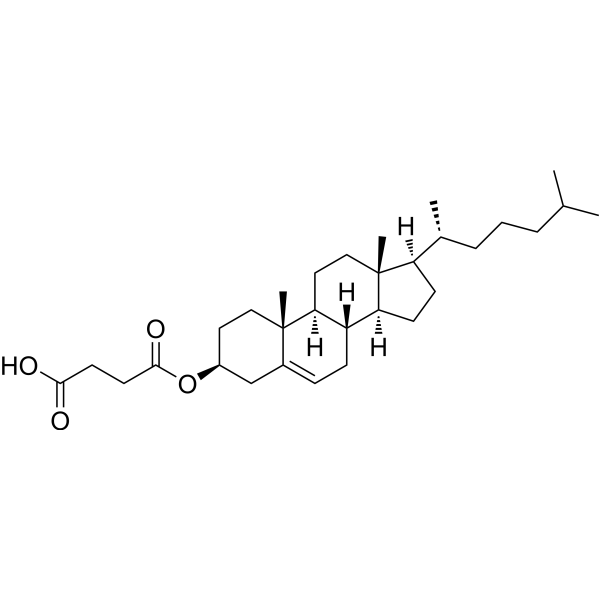 0 ImagesCholesteryl hemisuccinate is a with hepatoprotective an anticancer activity. Cholesteryl hemisuccinate inhibits Acetaminophen (AAP, HY-66005) hepatotoxicity, and prevents AAP-induced hepatic apoptosis and necrosis. Cholesteryl hemisuccinate inhibits DNA polymerase and DNA topoisomerase to inhibit DNA replication and repair and cell division. Thus, Cholesteryl hemisuccinate inhibits tumor growth.
-
Risdiplam
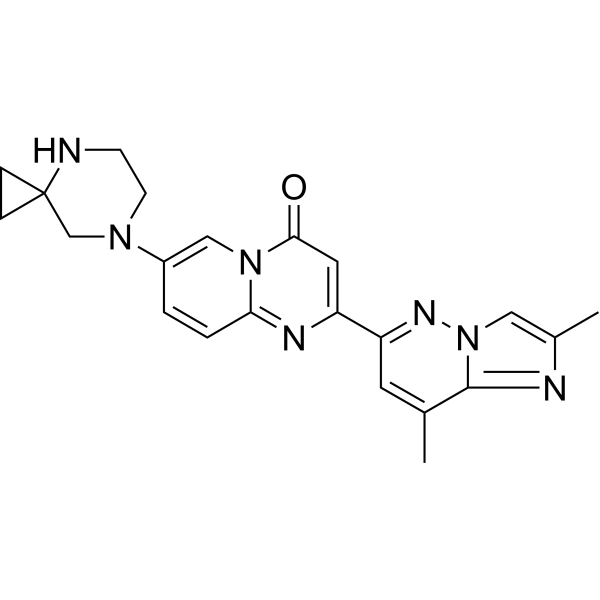 0 ImagesSynonyms: RG7916; RO7034067Risdiplam (RG7916) is an orally administered, centrally and peripherally distributed SMN2 pre-mRNA splicing modifier that increases survival motor neuron (SMN) protein levels.
-
Cidofovir
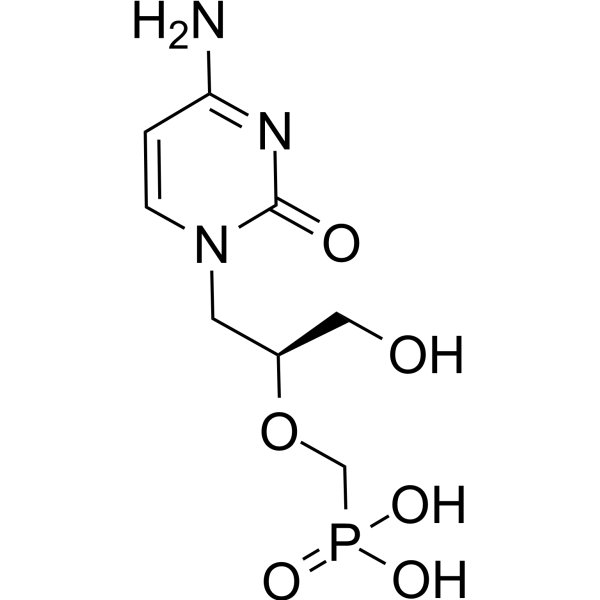 0 ImagesSynonyms: GS 0504; HPMPC; (S)-HPMPCCidofovir (GS 0504) is an acyclic monophosphate nucleotide analogue and CMV inhibitor with antiviral activity. Cidofovir inhibits cytomegalovirus (CMV) replication by selectively inhibiting viral DNA polymerase. Cidofovir induces apoptosis and can be used in studies of AIDS cytomegalovirus retinitis, herpes, and cancer. Cidofovir also has anti-orthopoxvirus and anti-variola activities.
-
Clofazimine
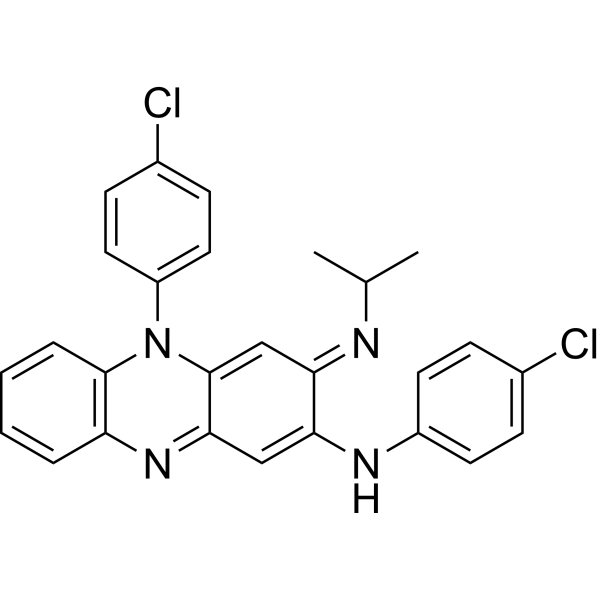 0 ImagesClofazimine is an orally-active anti-mycobacterial agent with a wide range of anti-mycobacterial activity including leprosy and tuberculosis. Clofazimine exerts anti-inflammatory activities and anti-tumor activities by interfering DNA replication and inhibiting IL2 (IC50 = 1.10 ± 0.26 μM, Jurkat T) production. Clofazimine can be used in mycobacterial and cancer research.
-
D-Ribose 5-phosphate disodium
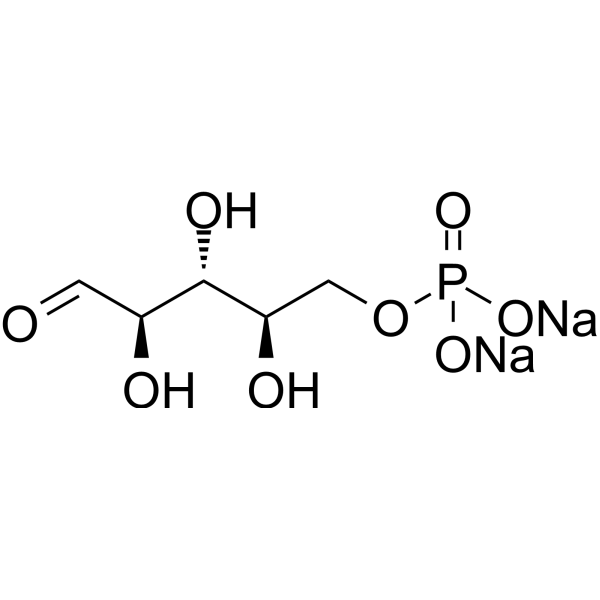 0 ImagesD-Ribose 5-phosphate disodium is an intermediate of the oxidative branch of the pentose phosphate pathway (PPP) and an end product of the nonoxidative branch of the PPP. D-Ribose 5-phosphate disodium is used in the synthesis of nucleotides and nucleic acids.
-
VVD-214
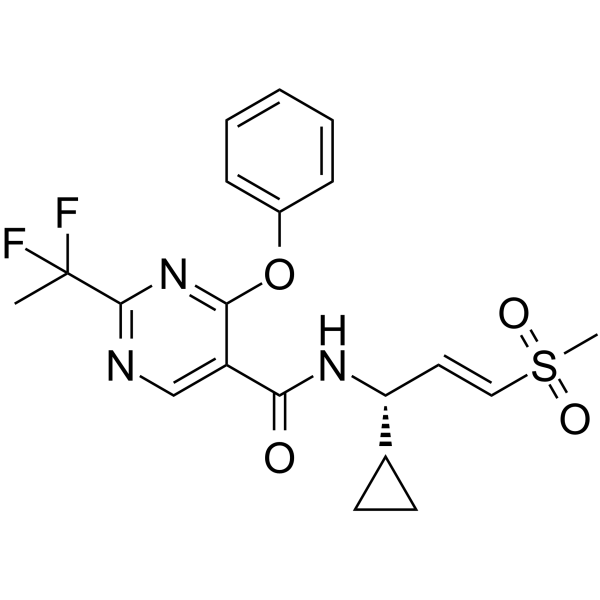 0 ImagesSynonyms: RO7589831; VVD-133214VVD-214 is a synthetic lethal allosteric inhibitor of WRN helicase with an IC50 of 0.1316 µM. VVD-214 covalently binds to cysteine 727 of WRN and inhibits ATP hydrolysis and helicase activity. VVD-214 is potent in causing double-stranded DNA breaks, nuclear swelling, and cell death in high microsatellite instability (MSI) cancers.
-
BAY-2402234
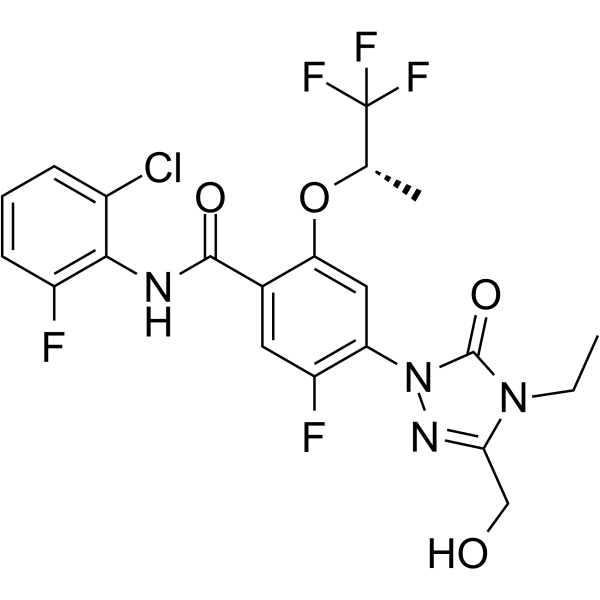 0 ImagesBAY-2402234 is a selective dihydroorotate dehydrogenase (DHODH) inhibitor for the treatment of myeloid malignancies.
-
Cytarabine hydrochloride
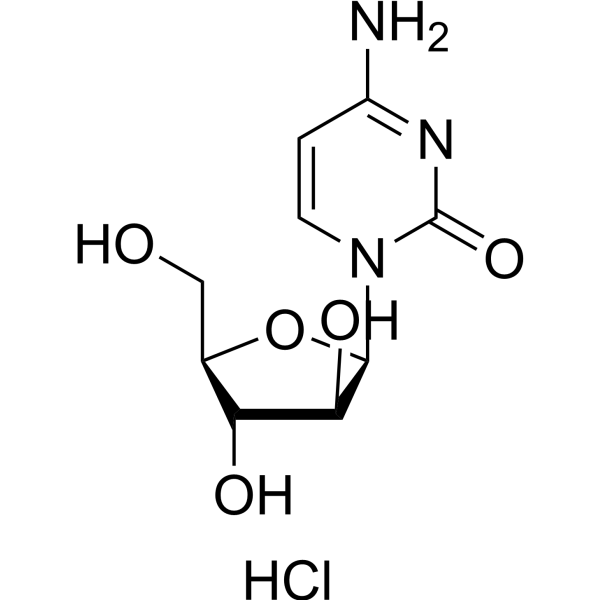 0 ImagesSynonyms: Cytosine β-D-arabinofuranoside hydrochloride; Cytosine Arabinoside hydrochloride; Ara-C hydrochlorideCytarabine hydrochloride, a nucleoside analog, causes S phase cell cycle arrest and inhibits DNA polymerase. Cytarabine inhibits DNA synthesis with an IC50 of 16 nM. Cytarabine hydrochloride has antiviral effects against HSV.
-
IMT1B
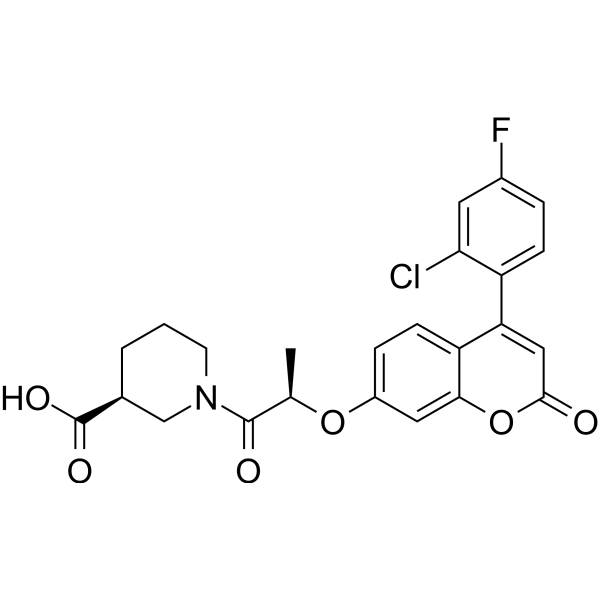 0 ImagesSynonyms: LDC203974IMT1B (LDC203974) is an orally active, noncompetitive and specific allosteric inhibitor of mitochondrial RNA polymerase (POLRMT) and inhibits mitochondrial DNA (mtDNA) expression. IMT1B has anti-tumour effects.
-
Guanosine 5'-triphosphate trisodium
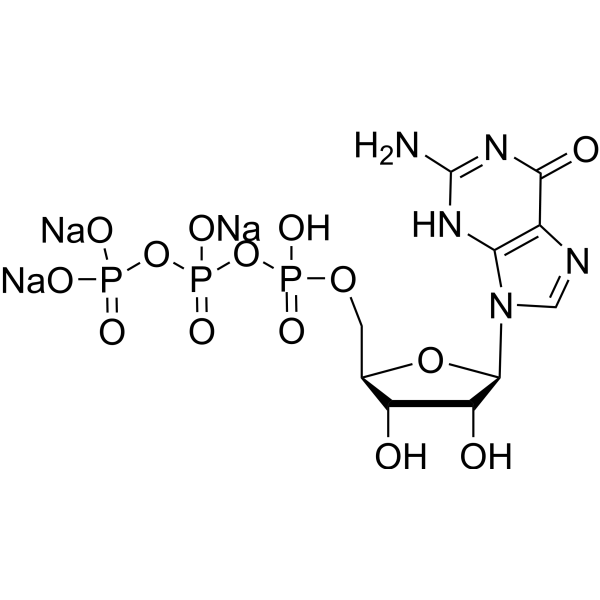 0 ImagesCat. No.: HY-12695CAS No.: 36051-31-7Synonyms: 5'-GTP trisodiumGuanosine 5'-triphosphate (5'-GTP) trisodium salt is a G protein (G proteins) signaling activator and a high-energy precursor in the biosynthesis of nucleotide units in DNA and RNA. Guanosine 5'-triphosphate trisodium salt can promote myogenic cell differentiation by upregulating miRNA (miR133a, miR133b) and myogenic regulatory factor expression, and by inducing human myogenic precursor cells to release exosomes containing guanosine molecules. Guanosine-5'-triphosphate trisodium salt holds promise for research in biosynthesis and skeletal muscle regeneration.
-
Guanine
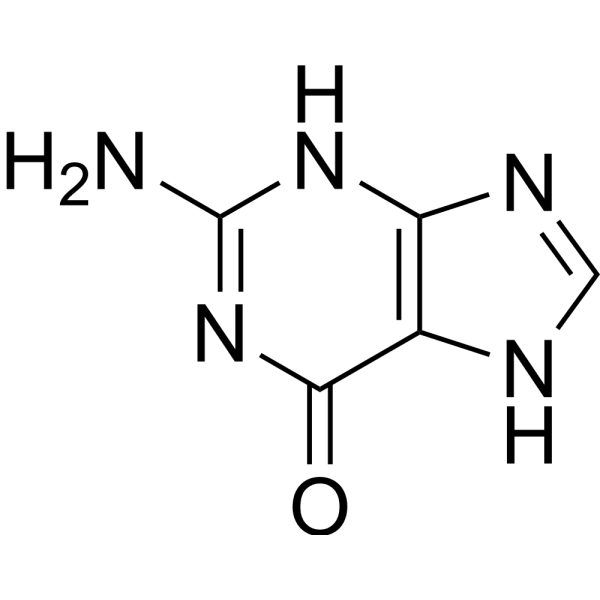 0 ImagesGuanine is one of the fundamental components of nucleic acids (DNA and RNA). Guanine is a purine derivative, consisting of a fused pyrimidine-imidazole ring system with conjugated double bonds. Guanine has the potential to serve as a large-capacity N pool. Guanine has cytotoxic, antinociceptive and neuroprotective effects.
-
Azaserine
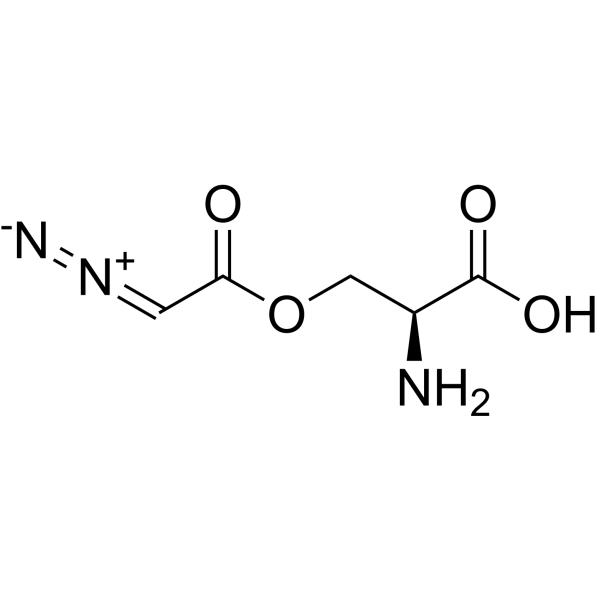 0 ImagesAzazerine (CI-337) is a competitive inhibitor of glutamine amidotransferase. Azaserine is an antibiotic, it shows antibacterial activities. Azazerine shows anti-tumor activities and it may also act as a tumor inducer. Azazerine can be used for the research of cancer and infection.
-
Idoxuridine
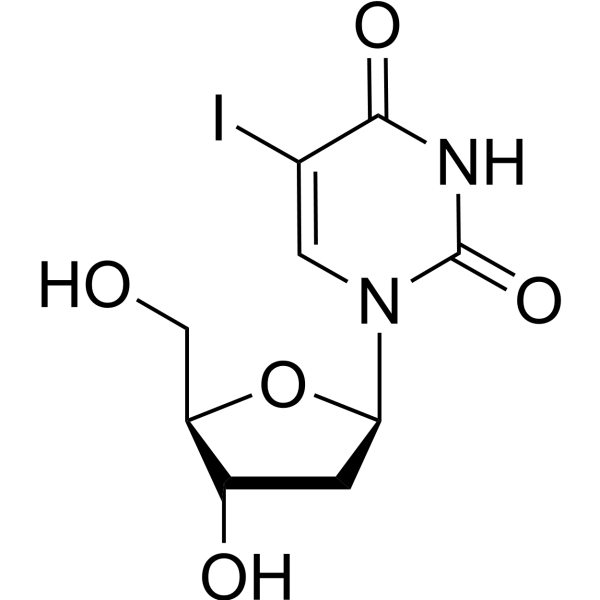 0 ImagesIdoxuridine (5-Iodo-2′-deoxyuridine, 5-IUdR, IdUrd) is an iodinated thymidine analogue that competitively inhibits phosphorylases. Idoxuridine can inhibit viral activity, particularly viral eye infections, including herpes simplex keratitis, by inhibiting DNA polymerase and affecting viral replication. Idoxuridine against feline herpesvirus has the IC50 value of 4.3 μM. Idoxuridine shows anti-orthopoxvirus activity.
-
Phlorizin
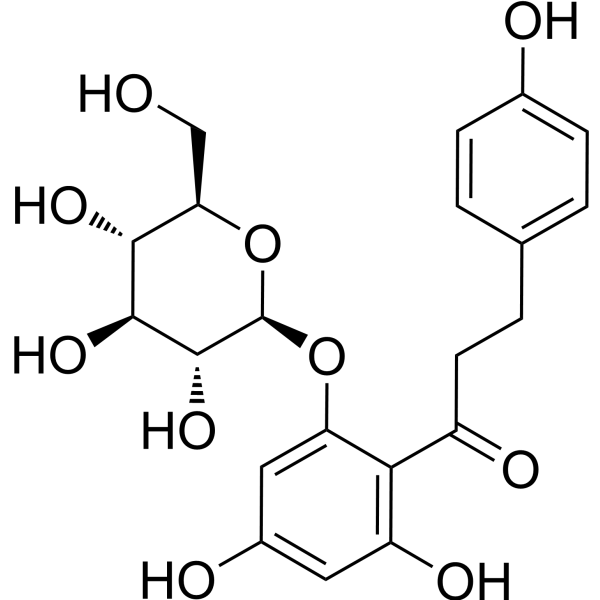 0 ImagesPhlorizin (Floridzin) is an orally active non-selective sodium-glucose cotransporter (SGLT) inhibitor, with an IC50 of 0.04 μM and a Ki of 39 nM against hSGLT2, and an IC50 of 0.17 μM and a Ki of 0.31 μM against hSGLT1. Phlorizin promotes GLUT4 translocation, inhibits gluconeogenesis and promotes glycogen synthesis by activating the PI3K/Akt/mTOR pathway. Phlorizin reduces DNA damage and apoptosis (apoptosis) by inhibiting the NF-κB inflammatory pathway. Phlorizin induces apoptosis via activating the Caspase pathway by antagonizing the JAK/STAT3 and PCK pathways. Phlorizin also exhibits antibacterial, anti-inflammatory and neuroprotective activities.
-
Novobiocin sodium
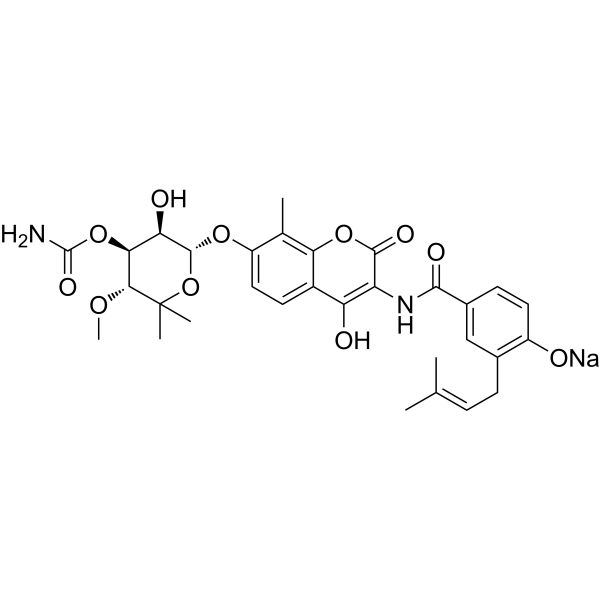 0 ImagesNovobiocin (Albamycin) sodium is a potent and orally active antibiotic. Novobiocin sodium also is a DNA gyrase inhibitor and a heat shock protein 90 (Hsp90) antagonist. Novobiocin sodium has the potential for the research of highly beta-lactam-resistant pneumococcal infections. Novobiocin sodium shows anti-orthopoxvirus activity.
-
Simeprevir
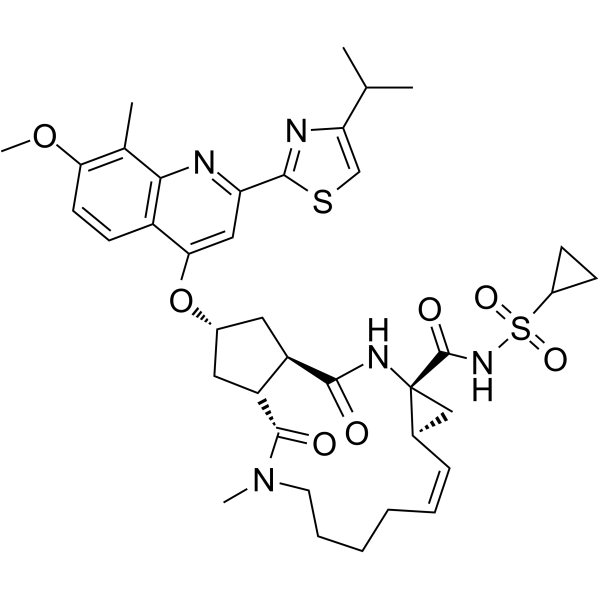 0 ImagesSynonyms: TMC435; TMC435350Simeprevir (TMC435; TMC435350) is an oral, potent and highly specific hepatitis C virus (HCV) NS3/4A protease inhibitor with a Ki of 0.36 nM. Simeprevir inhibits HCV replication with an EC50 of 7.8 nM. Simeprevir also potently suppresses SARS-CoV-2 replication and synergizes with Remdesivir. Simeprevir inhibits the main protease (Mpro) and the RNA-dependent RNA polymerase (RdRp) of SARS-CoV-2, and also modulates host immune responses.
-
IMP-1088
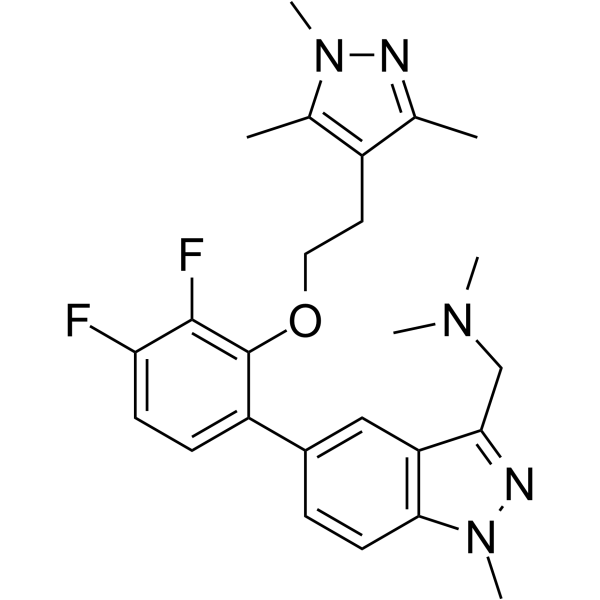 0 ImagesIMP-1088 is a potent human N-myristoyltransferases NMT1 and NMT2 dual inhibitor with IC50s of <1 nM for HsNMT1 and HsNMT2. IMP-1088 has a Kd of <210 pM for HsNMT1. IMP-1088 efficiently blocks rhinovirus replication by blocking rhinovirus virus-encoded protein (VP0) N-myristoylation. IMP-1088 protects host cells from the cytotoxic effects of viral infection.
-
N1-Methylpseudouridine-5′-triphosphate trisodium solution (100 mM)
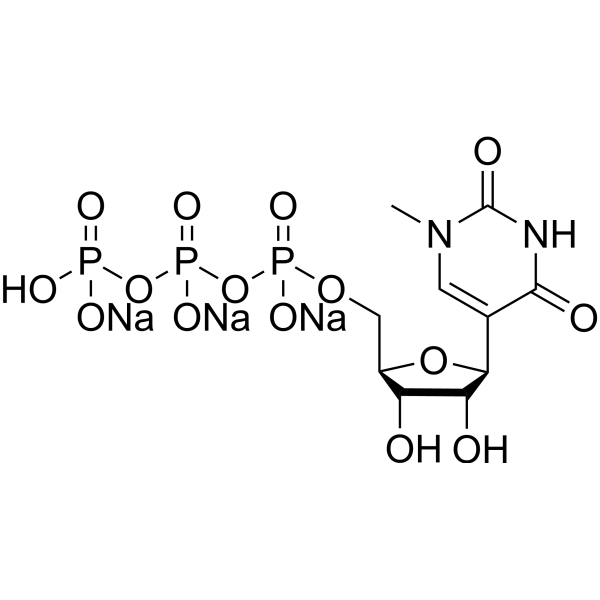 0 ImagesSynonyms: 1-Methylpseudouridine-5′-triphosphate trisodium; N1-Me-Pseudo UTP trisodium; N1-Methyl-Pseudo-UTP trisodiumN1-Methylpseudouridine-5′-triphosphate (1-Methylpseudouridine-5′-triphosphate) trisodium solution (100 mM) is a nucleobase-modified nucleotide. N1-Methylpseudouridine-5′-triphosphate (1-Methylpseudouridine-5′-triphosphate) trisodium solution (100 mM) is used for synthesizing mRNA with reduced immunogenicity and improved stability.
-
Cynaroside
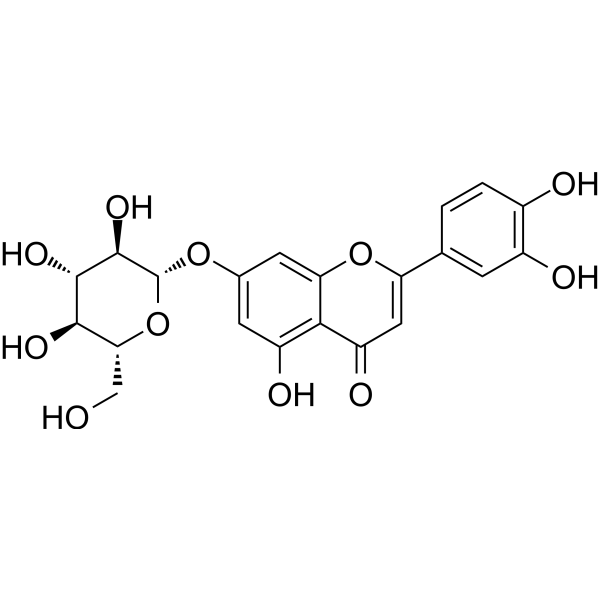 0 ImagesSynonyms: Luteolin 7-glucoside; Luteolin 7-O-β-D-glucosideCynaroside (Luteolin 7-glucoside) is a flavonoid compound that exhibits anti-oxidative capabilities. Cynaroside is also a potent influenza RNA-dependent RNA polymerase inhibitor with an IC50 of 32 nM. Cynaroside also is a promising inhibitor for H2O2-induced apoptosis, has cytoprotection against oxidative stress-induced cardiovascular diseases. Cynaroside also has antibacterial, antifungal and anticancer activities, antioxidant and anti-inflammatory activities.




